
OSHA PPE requirements Florida small business owners must follow include conducting a written hazard assessment, providing necessary protective gear at no cost, and ensuring all equipment fits each employee properly. Employers are also responsible for maintaining gear in a sanitary condition and training workers on its correct use to mitigate workplace hazards. These federal standards ensure that all employees are protected by reliable equipment while performing their duties.
Navigating OSHA compliance as a Florida small business owner often feels like a balancing act between operational efficiency and complex federal mandates. While federal regulations apply across state lines, the unique environmental factors of the Sunshine State make Personal Protective Equipment (PPE) management particularly challenging for lean teams. Neglecting these standards is not merely a safety oversight; it is a financial risk that could lead to severe penalties or costly litigation. This guide provides a practical roadmap for 2026 compliance, focusing on the critical shift toward properly fitting gear and the necessity of the 1910.132 hazard assessment. You will learn how to identify the seven basic types of PPE required for local workplaces, understand your financial obligations regarding equipment procurement, and establish robust training protocols that go far beyond simply distributing safety gear to your staff.
Do OSHA PPE Rules Apply to Florida Small Businesses with Few Employees?
A common misconception among Melbourne area startups and family owned shops is that federal safety regulations do not apply to them until they reach a certain headcount. In reality, OSHA PPE requirements Florida small business owners must follow apply the moment you hire your first employee. If you have at least one person on your payroll who is not a partner or a business owner, you are legally obligated to provide a workplace free from recognized hazards, which includes providing and enforcing the use of proper protective gear.
It is important to differentiate between recordkeeping and compliance. While businesses with 10 or fewer employees are generally exempt from maintaining routine OSHA injury and illness logs, they are never exempt from safety standards. Florida operates under Federal OSHA jurisdiction, meaning there is no state level cushion for smaller entities. Every employer, regardless of size, must adhere to the 29 CFR 1910 standards for general industry or 1926 for construction. Failing to provide eye protection or respirators because you only have three employees is not a valid defense during workplace safety inspections. Small businesses are often more vulnerable to the financial impact of OSHA citations, making proactive risk management solutions a critical component of early stage business growth.
The 2026 properly fitting Requirement: What Florida Employers Need to Know
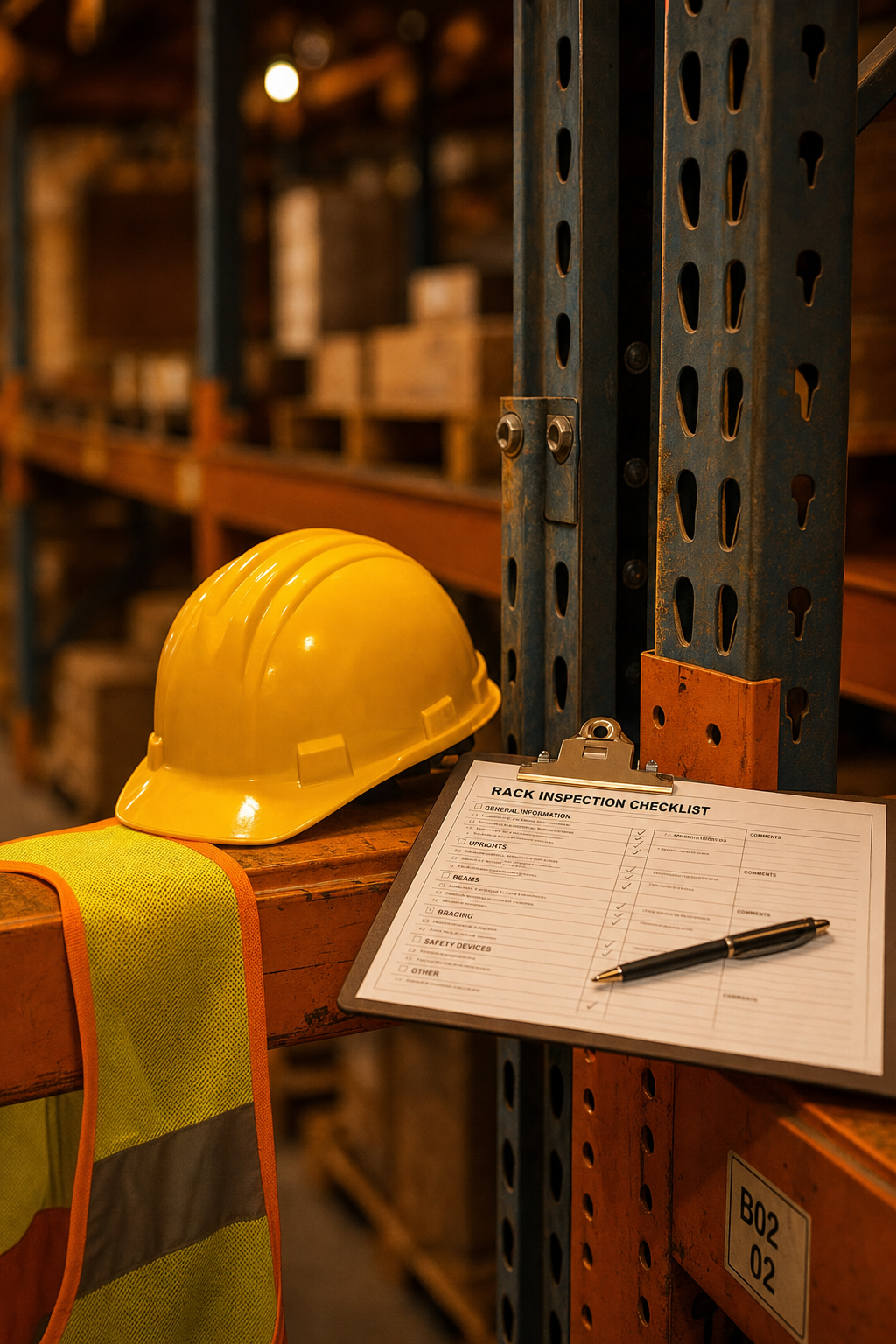
The burden of compliance for an OSHA PPE requirements Florida small business owner just became more specific. Recently, OSHA moved to explicitly require that personal protective equipment properly fits each employee, with a specific emphasis on the construction industry under 29 CFR 1926.95. This change addresses a long standing safety gap where universal sizing often left smaller framed workers, particularly women, at greater risk. In the past, providing a large harness or a standard pair of gloves was often enough to check a box. Moving into 2026, that one size fits all approach is no longer a defensible strategy during a workplace inspection.
For Florida employers, this means procurement must reflect the actual demographics of the local workforce. A harness that is too loose can cause devastating injuries during a fall, while oversized gloves can get caught in machinery or reduce the dexterity needed for precise tasks in Melbourne's growing tech and manufacturing sectors. Properly fitting PPE is now a regulatory mandate, not a suggestion. If an inspector finds a female employee wearing a vest that impairs her movement or safety glasses that slip off because they are designed for a larger head, the business is liable for a violation.
Achieving compliance requires more than a bulk order from a generic catalog. It demands a localized approach to OSHA safety training where employees are taught how to verify their own equipment's fit. Employers should audit their current inventory to ensure they offer a range of sizes that accommodate diverse body types and physical statures found across Florida's construction sites and healthcare facilities. Documenting that employees were given the opportunity to select equipment that fits their specific frame is a critical step in building a robust safety program.
The 1910.132 Hazard Assessment: The Foundation of Your PPE Program
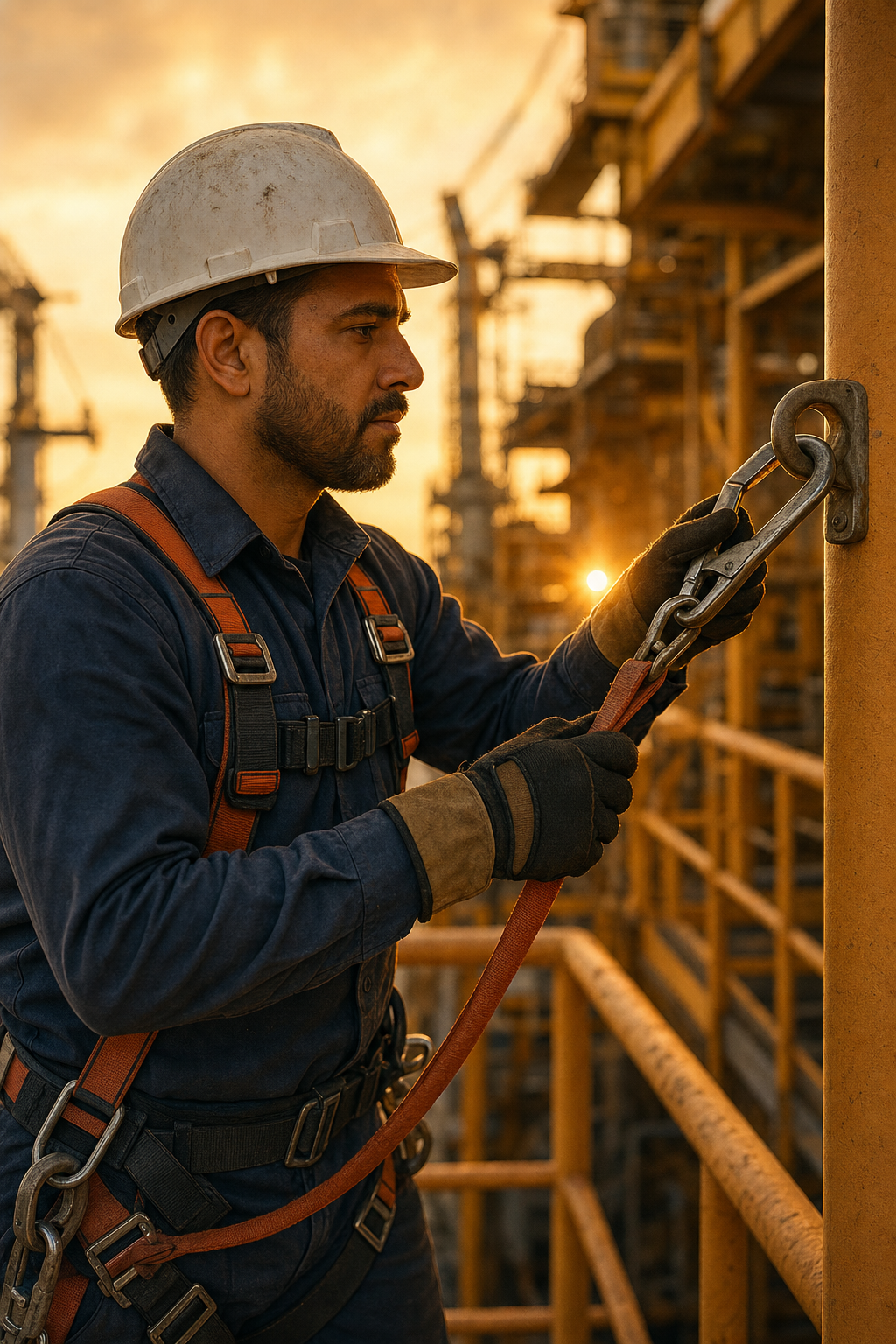
Proper fit is a downstream result of a rigorous upstream process. Before an employer selects a single pair of gloves or safety glasses, they must conduct a formal hazard assessment as mandated by 29 CFR 1910.132(d). This is not merely a casual observation of the shop floor; it is a systematic evaluation of every task to identify specific threats to employee safety. For a local firm, this assessment serves as the legal bedrock for all future risk management solutions.
OSHA distinguishes between a general walkthrough and a documented certification. While the walkthrough is the physical act of identifying hazards, the certification is the legal proof that the assessment occurred. To comply, you must produce a written document that identifies the workplace evaluated, the person certifying the evaluation, and the specific dates the assessment took place. This document must be titled as a certification of hazard assessment to satisfy an inspector during workplace safety inspections.
During the assessment, look for these specific hazard categories: - Impact: Flying fragments, chips, or falling objects. - Penetration: Sharp objects that could pierce the skin or feet. - Compression: Potential for limbs to be crushed by rolling or falling equipment. - Chemical: Risks from splashing, harmful vapors, or skin absorption. - Heat: High temperatures that could cause burns or contribute to heat exhaustion. - Harmful Dust: Particulates that require respiratory or eye protection. - Light Radiation: Hazards from welding, brazing, or intense lasers.
In Melbourne and the surrounding Space Coast, environmental factors significantly influence this list. High UV exposure for outdoor workers in landscaping or roofing requires selecting PPE with specific ultraviolet protection factors. Furthermore, Florida’s humidity makes heat stress a primary concern. The assessment must balance the need for physical protection against the risk of heat stroke, often leading to the selection of breathable, moisture-wicking materials or specialized cooling vests that do not compromise the primary safety function of the gear.
Who Pays for PPE: Employer Responsibilities vs Employee Requirements
Once the hazard assessment identifies necessary equipment, the question of financial responsibility often arises for an OSHA PPE requirements Florida small business. Under the 2008 OSHA final rule on employer-paid PPE, the burden of cost sits almost entirely with the employer. This regulation ensures that safety is never compromised by an employee's inability to afford essential gear or by a company trying to shift overhead costs.
Employers must provide and pay for specialized equipment including hard hats, hearing protection, respirators, and face shields. In Melbourne's diverse economy, this also includes specialized gloves for chemical handling in healthcare facilities or fall protection harnesses for residential construction. However, there are specific exceptions for items that are personal in nature or usable outside the workplace.
Employer Paid | Employee Paid (Usually) |
|---|---|
Non-prescription safety goggles | Prescription safety glasses (if allowed off-site) |
Specialized chemical suits | Ordinary cold weather or rain gear |
Metatarsal guards | Non-specialized safety-toe footwear |
Fire-resistant clothing | Ordinary work clothing like jeans and shirts |
For non-specialized safety-toe footwear, the employer is not required to pay if they allow the employee to wear the boots off the job site. Understanding these nuances is a key part of modern risk management solutions. Misallocating these costs or failing to provide required gear can lead to costly citations during workplace safety inspections.
7 Basic Types of PPE for Florida Workplaces
Selecting the right equipment begins with identifying which of the seven fundamental categories apply to your specific operations. For an OSHA PPE requirements Florida small business, these categories represent the physical defense against hazards identified during your mandated assessments. Understanding these classifications is the first step in moving from a general safety concept to a functional, compliant program.
PPE Category | Standard Equipment | Florida Industry Application |
|---|---|---|
Head | Hard hats, bump caps | Construction projects and utility work near the Eau Gallie Causeway. |
Eye and Face | Safety glasses, goggles, shields | Landscaping crews in Melbourne clearing heavy brush or using irrigation chemicals. |
Hearing | Earplugs, canal caps, earmuffs | Ground crews and maintenance teams at Orlando Melbourne International Airport. |
Respiratory | N95s, half-face or full-face respirators | Brevard County boat builders and auto body shops working with resins and paints. |
Hand | Nitrile, leather, or cut-resistant gloves | Healthcare staff in Melbourne clinics handling biohazards or sanitizing agents. |
Foot | Steel-toe, composite, or metatarsal boots | Logistics and warehouse employees in Palm Bay moving heavy palletized freight. |
Body | High-vis vests, aprons, flame-resistant gear | Highway maintenance crews on I-95 or technicians in local aerospace cleanrooms. |
Each category requires a specialized approach to OSHA safety training to ensure employees understand the specific protection provided by their gear. For instance, a high-visibility vest used in Florida roadwork must be rated for specific light conditions to ensure visibility during afternoon thunderstorms, whereas hand protection in a local medical lab must prioritize chemical permeation rates over simple abrasion resistance. Integrating these categories into your broader risk management solutions ensures that no part of the body is left vulnerable to the unique environmental and industrial hazards found in Central Florida. Failing to provide the correct type for a specific task is a frequent focal point during workplace safety inspections.
Defective and Damaged PPE: Inspection and Replacement Protocols
If a team member encounters defective or damaged personal protective equipment, the item must be removed from service immediately. This protocol is a non-negotiable aspect of meeting OSHA PPE requirements Florida small business owners must uphold. Daily pre-shift inspections are the most effective defense against equipment failure. In the Melbourne area, the combination of intense UV radiation and salt air can accelerate the degradation of materials like high visibility fabrics, hard hat shells, and fall protection webbing.
When damage such as a tear, crack, or broken seal is identified, follow a strict tag out and replace procedure:
Stop Work: The employee should cease tasks requiring that specific PPE.
Tag Out: Mark the equipment clearly as "Defective: Do Not Use" to prevent another staff member from accidentally picking it up.
Replace: Provide a compliant replacement immediately from your inventory.
Dispose or Repair: Destroy items that cannot be safely repaired to ensure they never re-enter the workflow.
Allowing the use of compromised gear is frequently cited as a willful violation during workplace safety inspections. This designation carries significantly higher penalties because it suggests an intentional disregard for employee safety. Integrating these inspection cycles into your OSHA safety training and broader risk management solutions ensures that your physical defenses remain as functional as the day the equipment was purchased.
Training Requirements: Beyond Handing Out Safety Gear
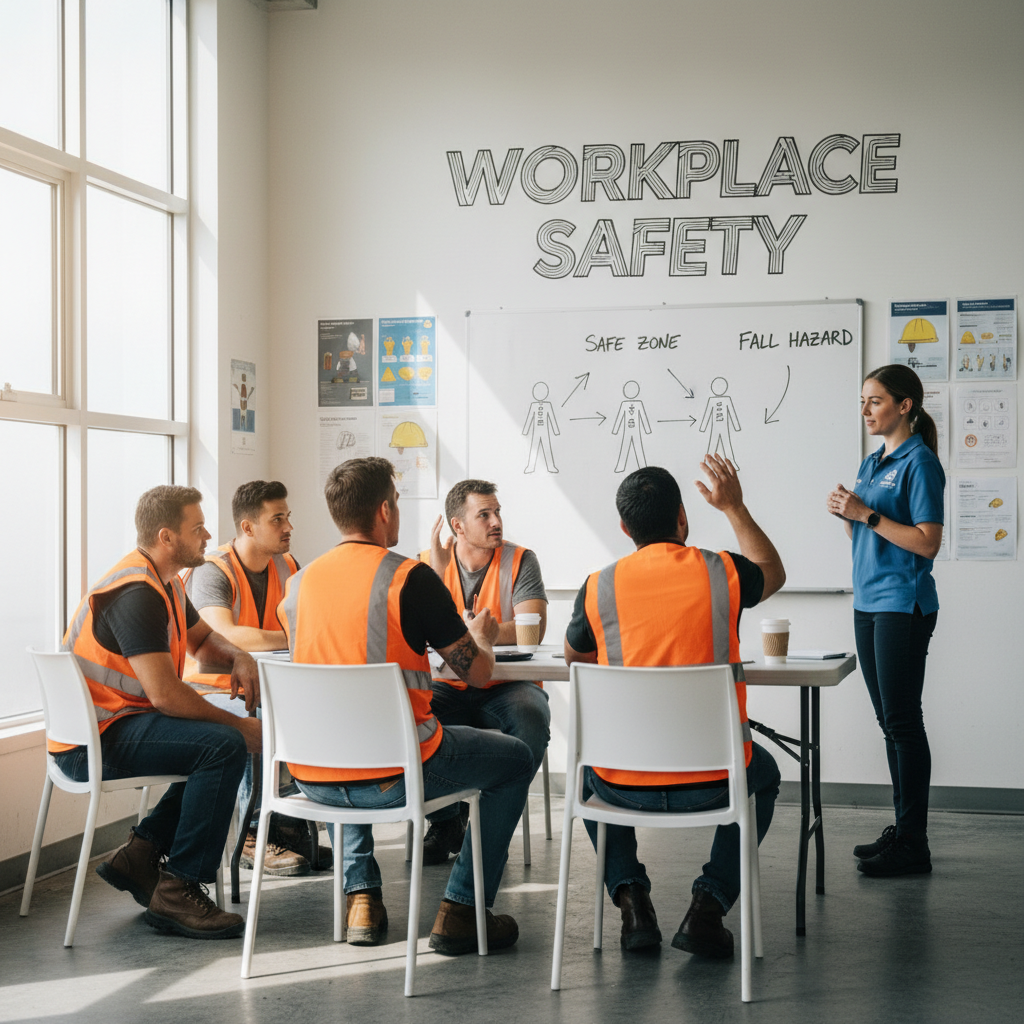
Compliance does not end once the equipment is purchased and distributed. According to 29 CFR 1910.132(f), employers must provide comprehensive training to every employee required to use protective gear. Simply handing out equipment without instruction leaves a gap in your safety program that an inspector will quickly identify. To satisfy OSHA PPE requirements Florida small business owners must ensure that every staff member can demonstrate a functional understanding of five key areas:
When PPE is necessary: Recognizing the specific triggers, locations, and tasks that require protection.
What PPE is necessary: Identifying the correct gear for the specific hazard at hand, such as selecting the right cartridge for a respirator.
Proper usage: Knowing how to don (put on), doff (take off), adjust, and wear the equipment to ensure it functions as intended without creating secondary hazards.
Limitations: Understanding what the gear cannot protect against, such as the maximum impact rating of a face shield or the specific chemical breakthrough times for nitrile gloves.
Care and maintenance: Identifying signs of wear, knowing how to clean the equipment, and understanding the proper disposal methods for contaminated or expired gear.
A verbal explanation is insufficient for regulatory purposes. Training must be documented through a written certification that includes the employee’s name, the date of the session, and the specific subject matter covered. During workplace safety inspections, these records serve as your primary defense against citations. SEAI Global LLC provides localized OSHA safety training designed for Melbourne area industries, ensuring your risk management solutions are both compliant and effective for your specific workforce.